🜃 How to read the deck — and why it has no ♠ Helm
Every other deck in this hall opens with a throne: a pope, a patriarch, a supreme leader, a governing body.
This
one cannot. The Secular Age is not a church, and the deck's most important feature is the office it does not
contain —
there is no one in charge of it, and no one who can be asked to answer for it. That is precisely
what makes it so hard to argue with: you can debate a bishop, but you cannot debate the water.
So the suits here are not a hierarchy. They are
four kinds of diffuse influence, and the deck is
deliberately short — thirty, not fifty-two — because padding it with celebrities would have implied a chain of
command that does not exist.
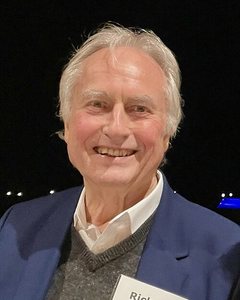
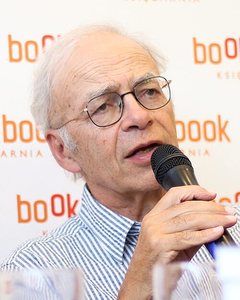
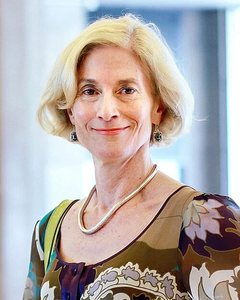
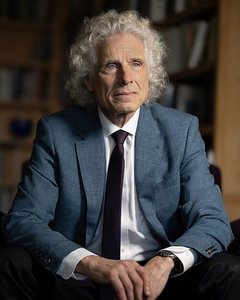
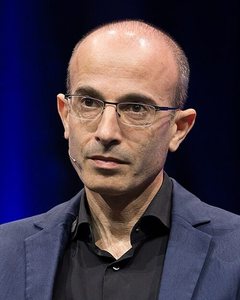
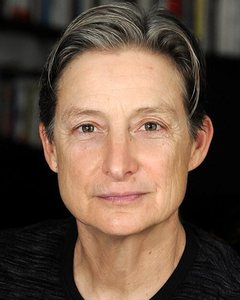
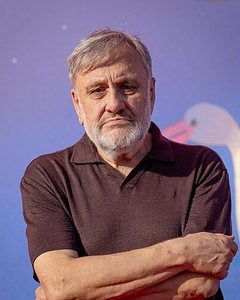
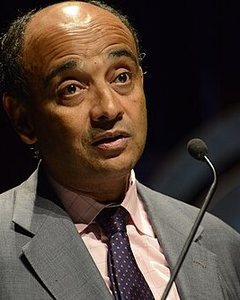
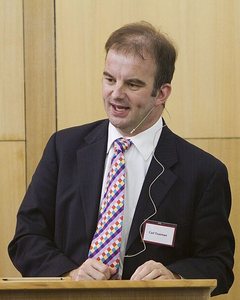
♠ Spades — The Chairs. Academic authority. Real, but it commands nobody.
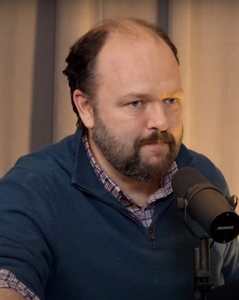
♦ Diamonds — The Instruments. Organised secularism — and how tiny it is.
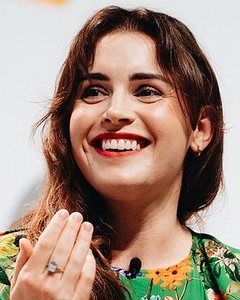
♥ Hearts — The Pulpits. The therapeutic. Where the creed is actually preached.
♣ Clubs — The Countersign. Those naming the frame from inside it.
✓ All 30 verified online as living and active on 2026-07-25 — and the check turned up a
death that changes the top of the deck: ★★ JÜRGEN HABERMAS DIED 14 MARCH 2026, aged 96, four months before
this build. Until March he was arguably the most important living secular philosopher alive; a deck built from
memory would have led with him. Also confirmed dead and excluded: Daniel Dennett (19 April 2024), one of the
Four Horsemen. Re-verify every name at every audit.